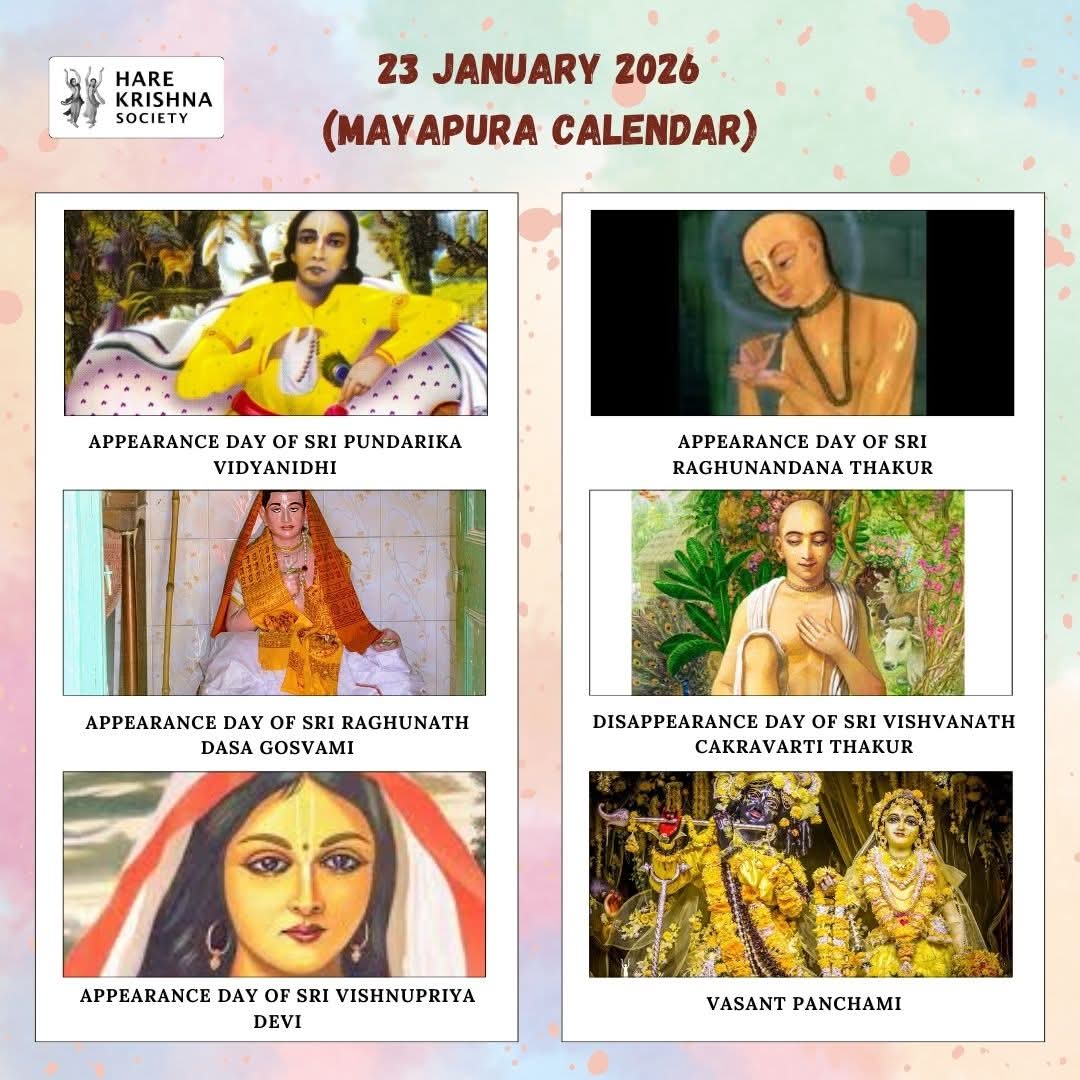
Friday, 23 January 2026 [Mayapur, West Bengal, India Time]
- Appearance Day of Śrī Puṇḍarīka Vidyānidhi
- Appearance Day of Śrī Raghunandana Thakur
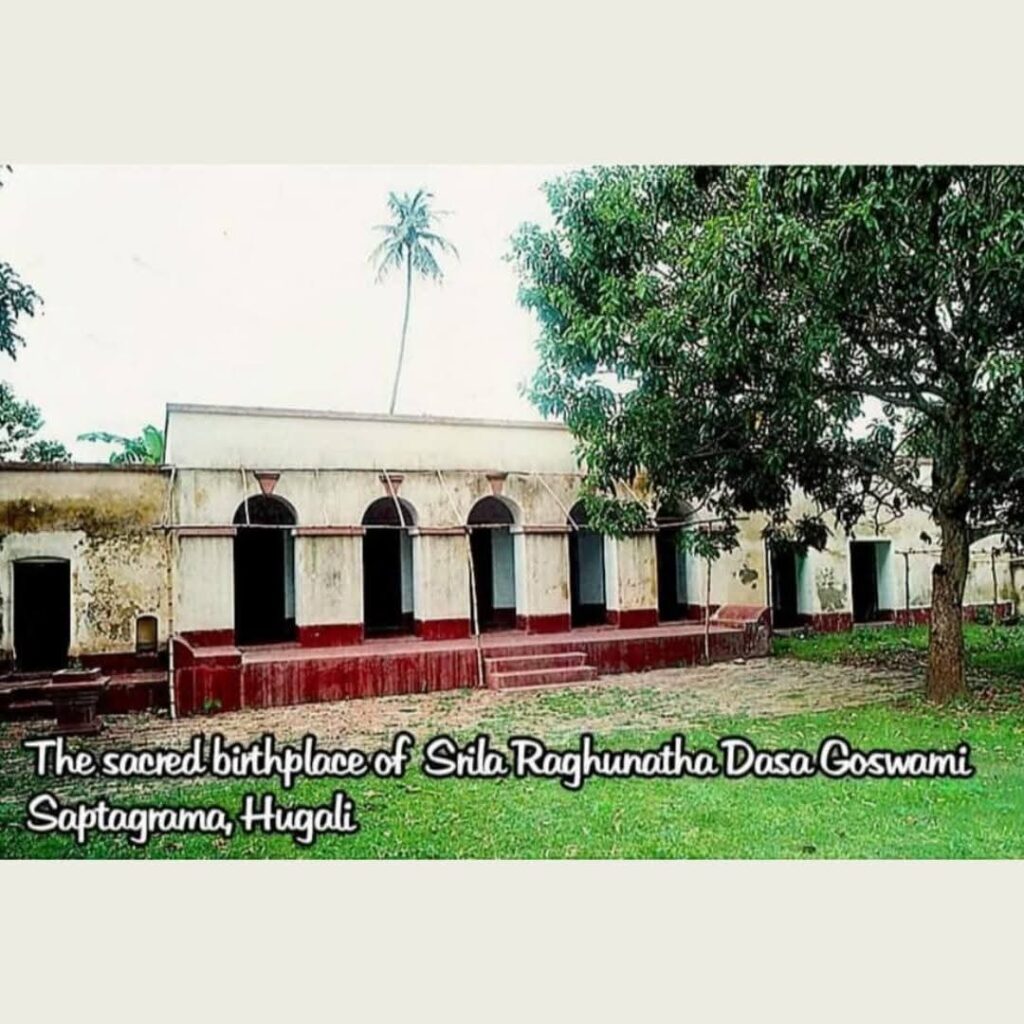
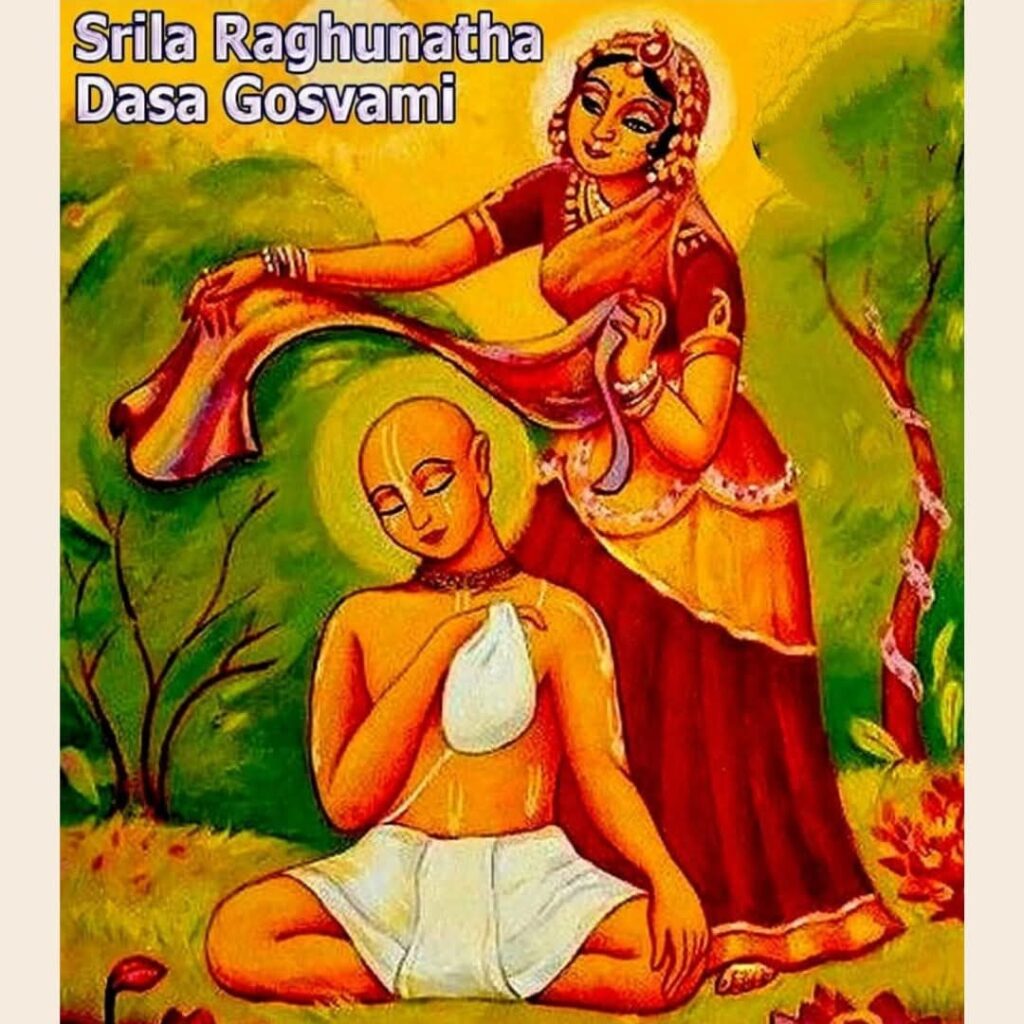
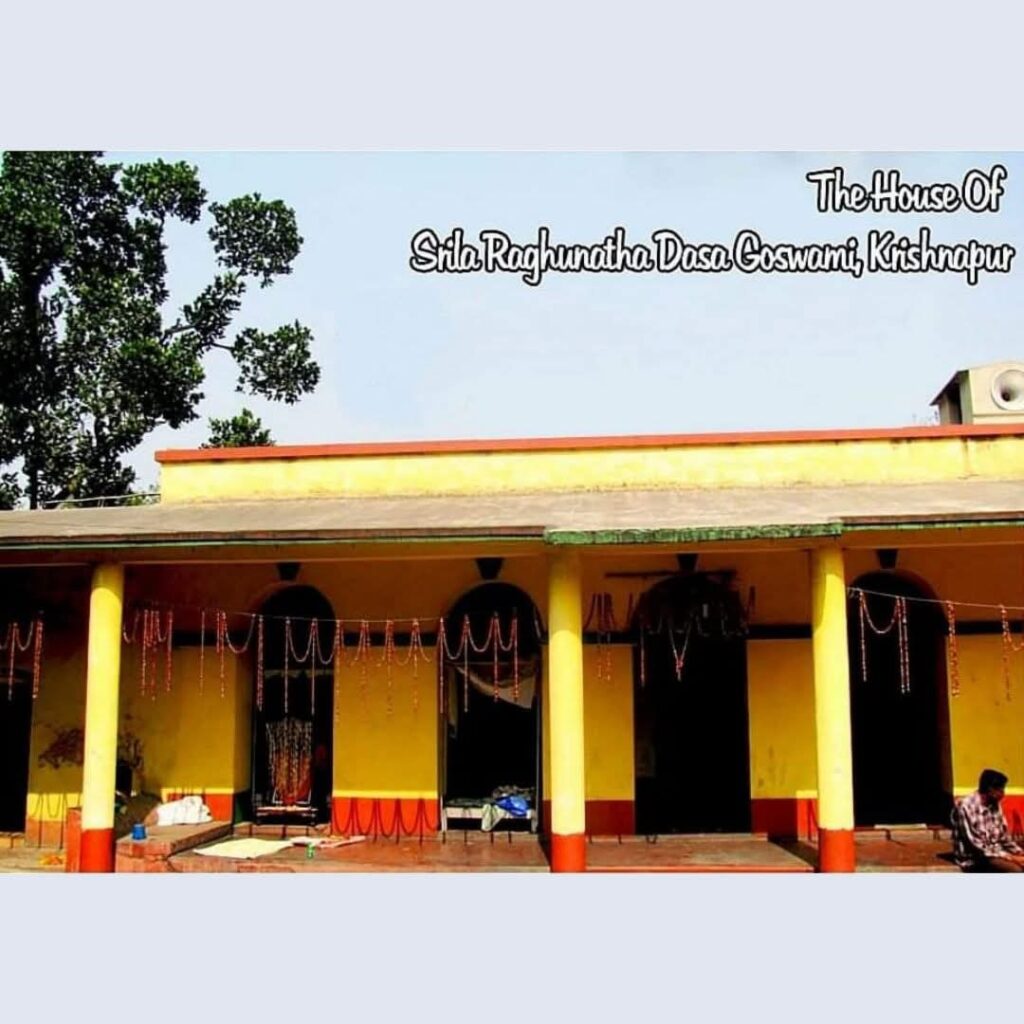
- Appearance Day of Śrī Raghunātha Dāsa Goswami
- Disappearance Day of Śrī Viśvanātha Cakravartī Thakur
- Appearance Day of Srimati Viṣṇupriyā Devī
- Vasanta Pancami
- Appearance Day of Śrī Puṇḍarīka Vidyānidhi
Sri Puṇḍarīka Vidyānidhi, a disciple of Madhavendra Puri and the guru of Śrī Gadādhara Paṇḍita, was often misunderstood as being attached to material pleasures. However, in reality, he was an ecstatic devotee of Krishna. In Krishna’s pastimes, he was Vṛṣabhānu, the father of Śrīmatī Rādhārāṇī.
For more information, refer to Puṇḍarīka Vidyānidhi’s appearances in Chaitanya-charitamrita, Adi-lila 10.14, and Madhya-lila 16.76–81.
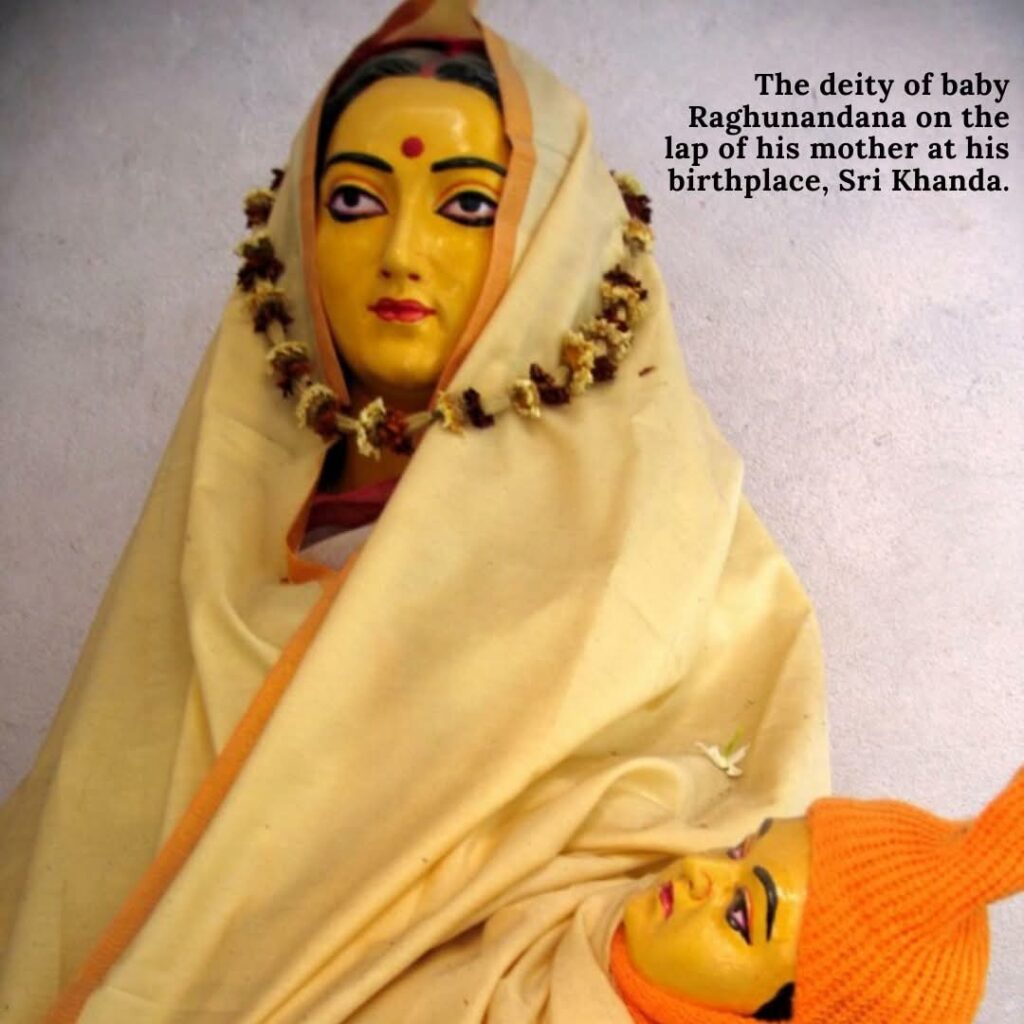
- Appearance Day of Śrī Raghunandana Thakur
“Sri Raghunandana Thakura was the son of the great devotee Mukunda Dasa. Both were contemporaries of Sri Chaitanya Mahaprabhu. It is stated in the Bhakti-ratnākara (Eighth Wave) that Raghunandana used to serve a Deity of Lord Caitanya Mahāprabhu.”
For further details, see Chaitanya-charitamrita, Adi-lila 10.78–79, and Madhya-lila 15.112–132.
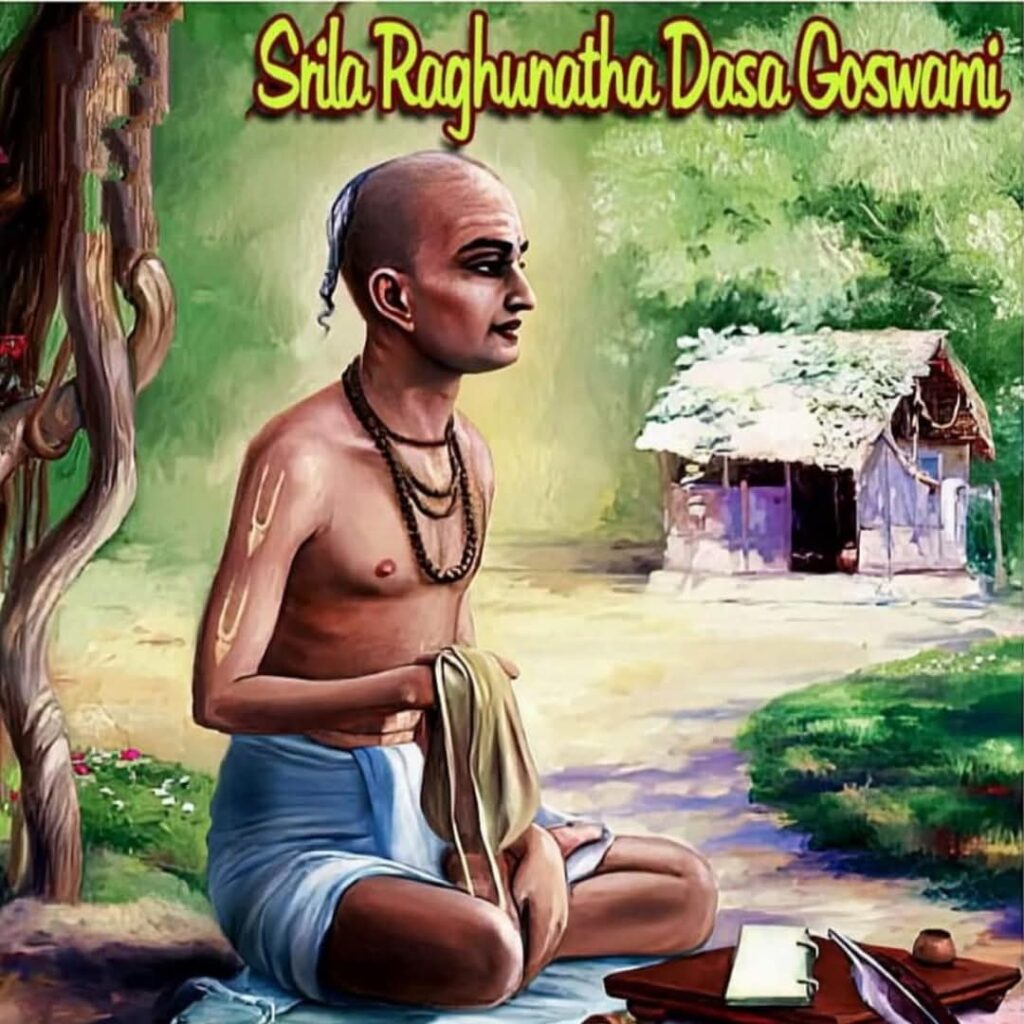
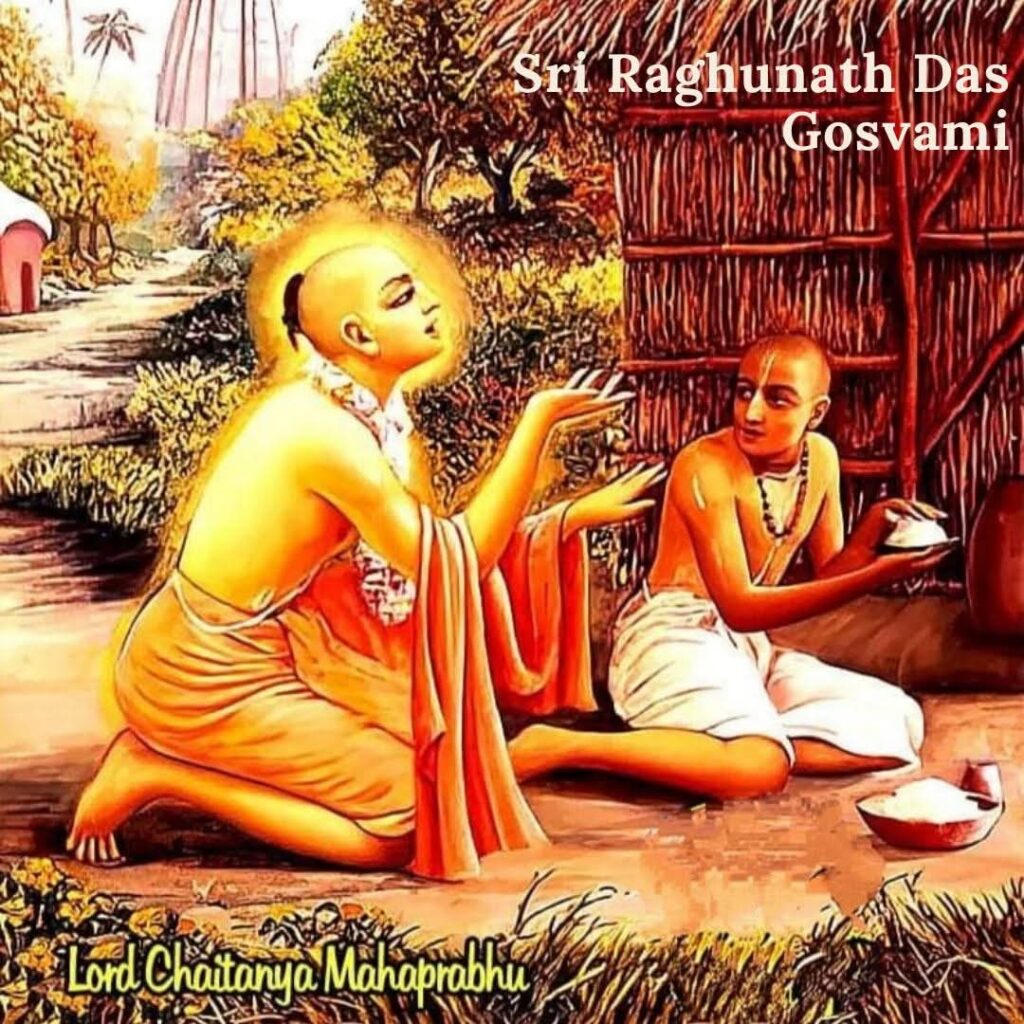
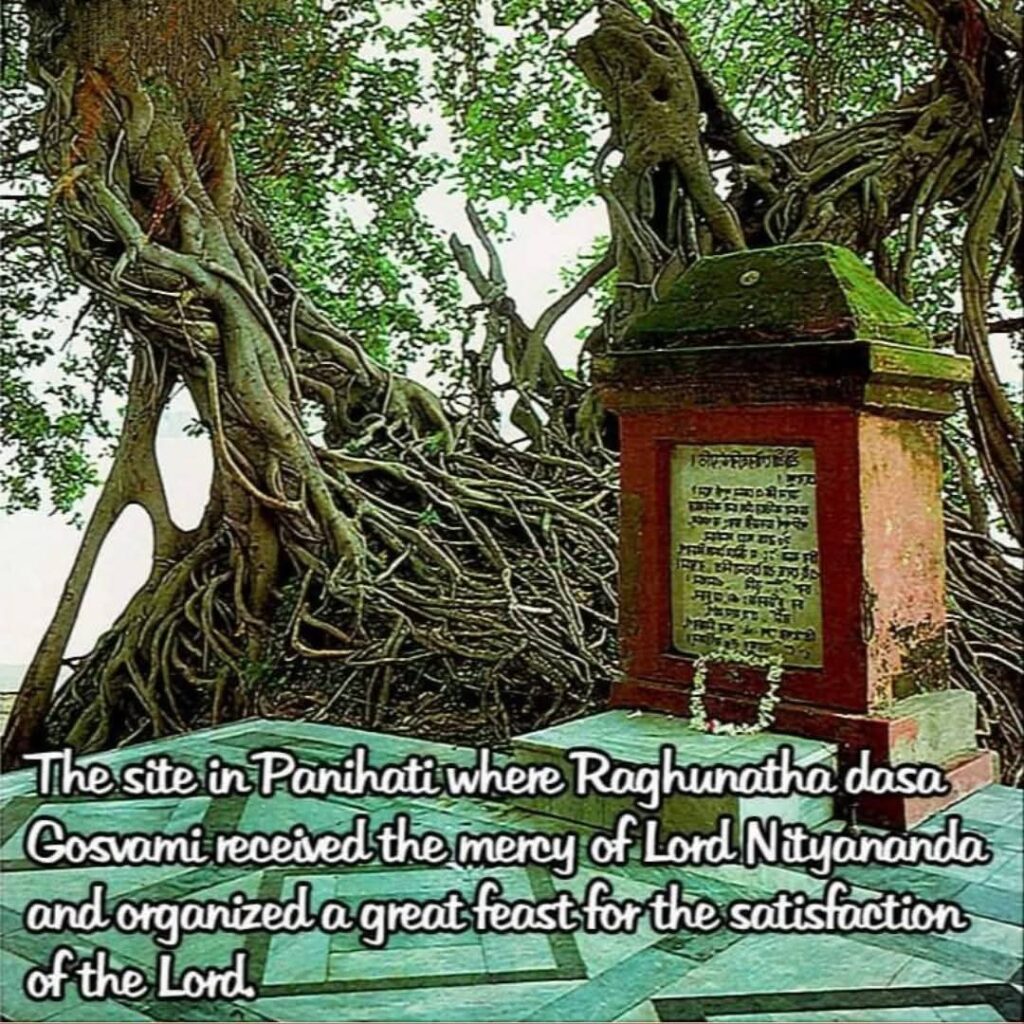
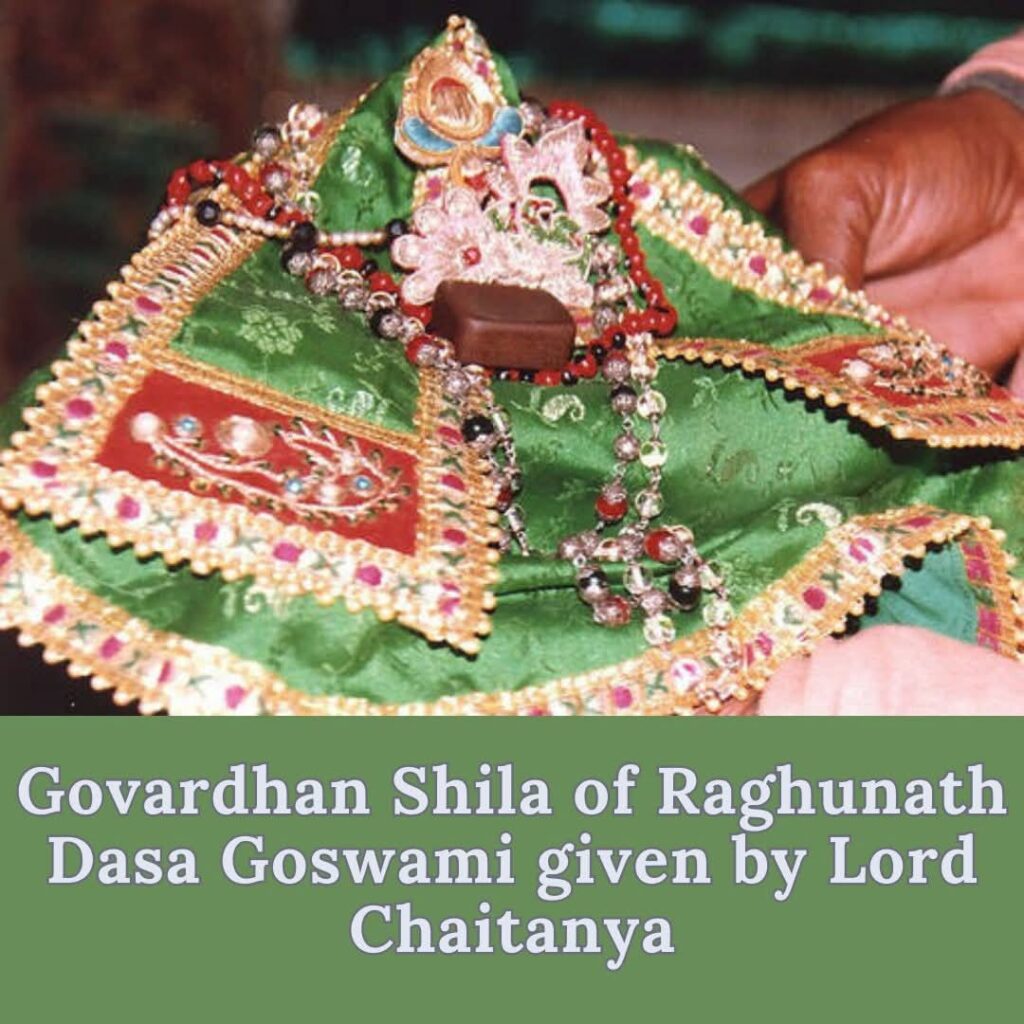
- Appearance Day of Śrī Raghunātha Dāsa Goswami
“Raghunatha Dasa Goswami was the only son of a wealthy landowner. At the age of fifteen, he met Chaitanya Mahaprabhu and later became one of the six Goswamis of Vrindavan. He led a most austere life of pure devotion and was the emblem of renunciation.
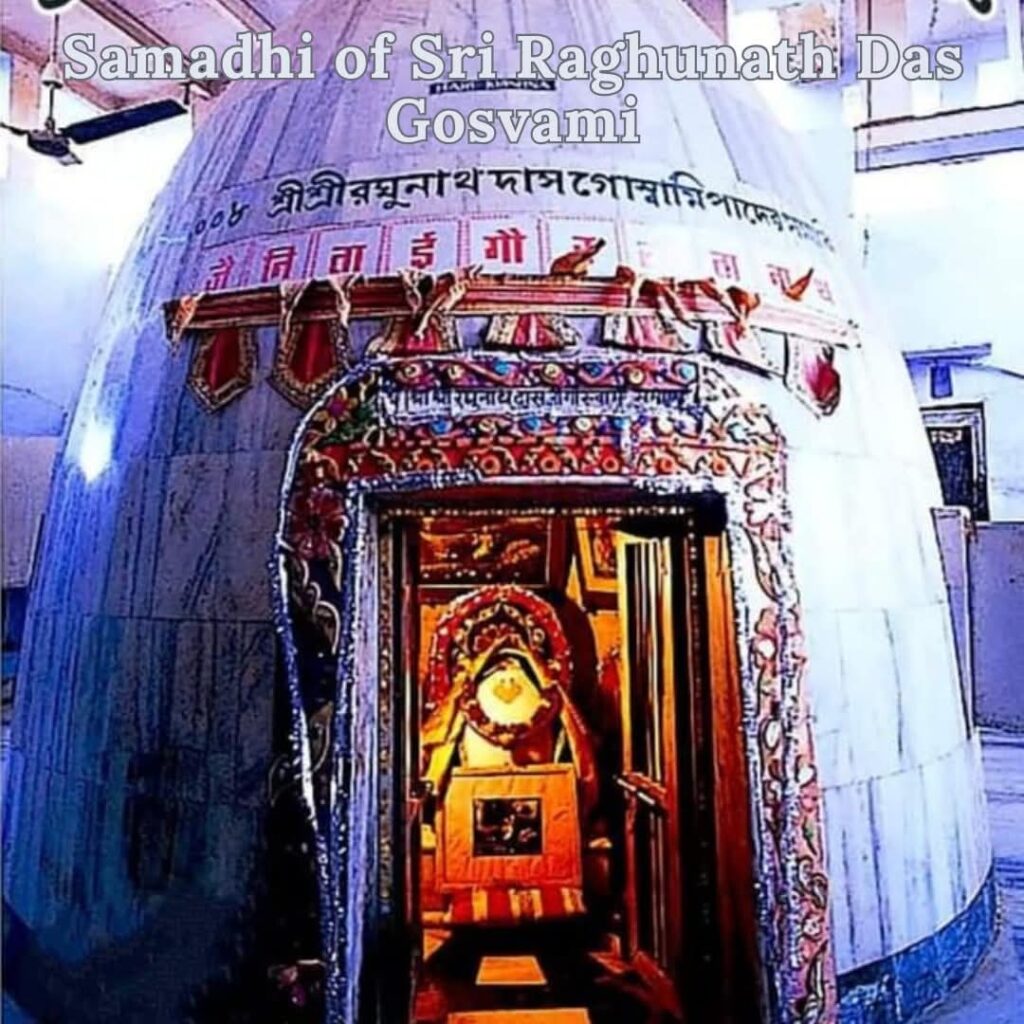
Raghunātha dāsa Gosvāmī compiled three books: Stava-mālā (Stavāvalī), Dāna-carita, and Muktācarita. He was known as the prayojana-ācārya, one who teaches life’s ultimate goal by example. According to Gaura-gaṇoddeśa-dīpikā (186), he was formerly the gopī Rasa-mañjarī (sometimes said to be Rati-mañjarī). His samadhi stands on the bank of Rādhā-kuṇḍa, Vrindavan.”
For more details, see Chaitanya-charitamrita, Adi-lila 10.91.
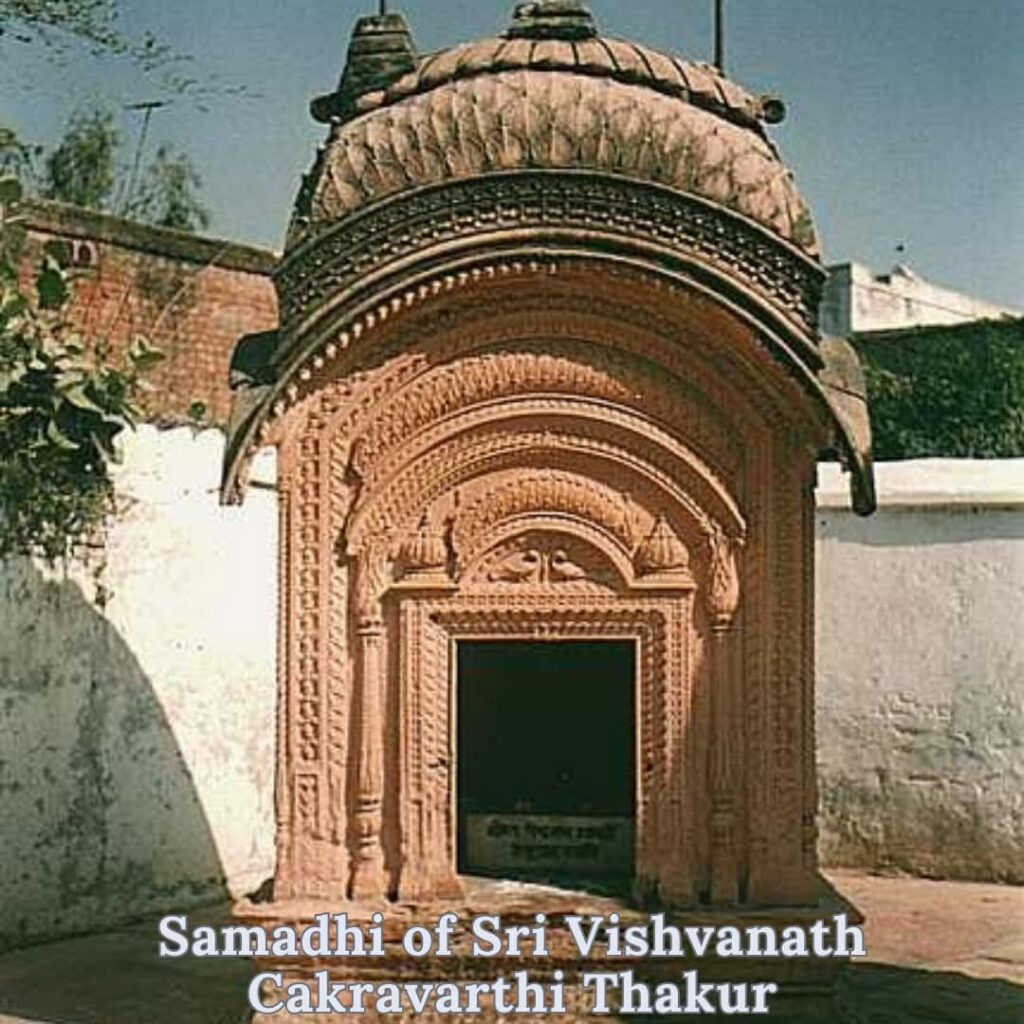
- Disappearance Day of Śrī Viśvanātha Cakravartī Thakur
Viśvanātha Cakravartī Ṭhākura was one of the most prominent and influential teachers in the Gaudiya Vaishnava disciplic succession. He appeared in Devagram, Bengal, and received initiation from Ramana Chakravarti. His sannyasa name was Hari Vallabha Goswami.
He is the author of Sri Gurvastakam, “Eight Prayers Glorifying the Spiritual Master.”
His most famous disciple was Śrīla Baladeva Vidyābhūṣaṇa. When scholars in Jaipur challenged the validity of Lord Chaitanya’s movement, Viśvanātha, being too old to travel, sent Baladeva in his place. By Krishna’s dictation, Baladeva wrote the Govinda-bhāṣya commentary on Vedanta-sutra and defeated the challengers.
Viśvanātha Cakravartī also wrote important commentaries on Srimad Bhagavatam, Bhagavad-gita, and the works of the Six Goswamis. Srila Prabhupada regularly referred to his Srimad-Bhagavatam commentaries while writing his own purports.
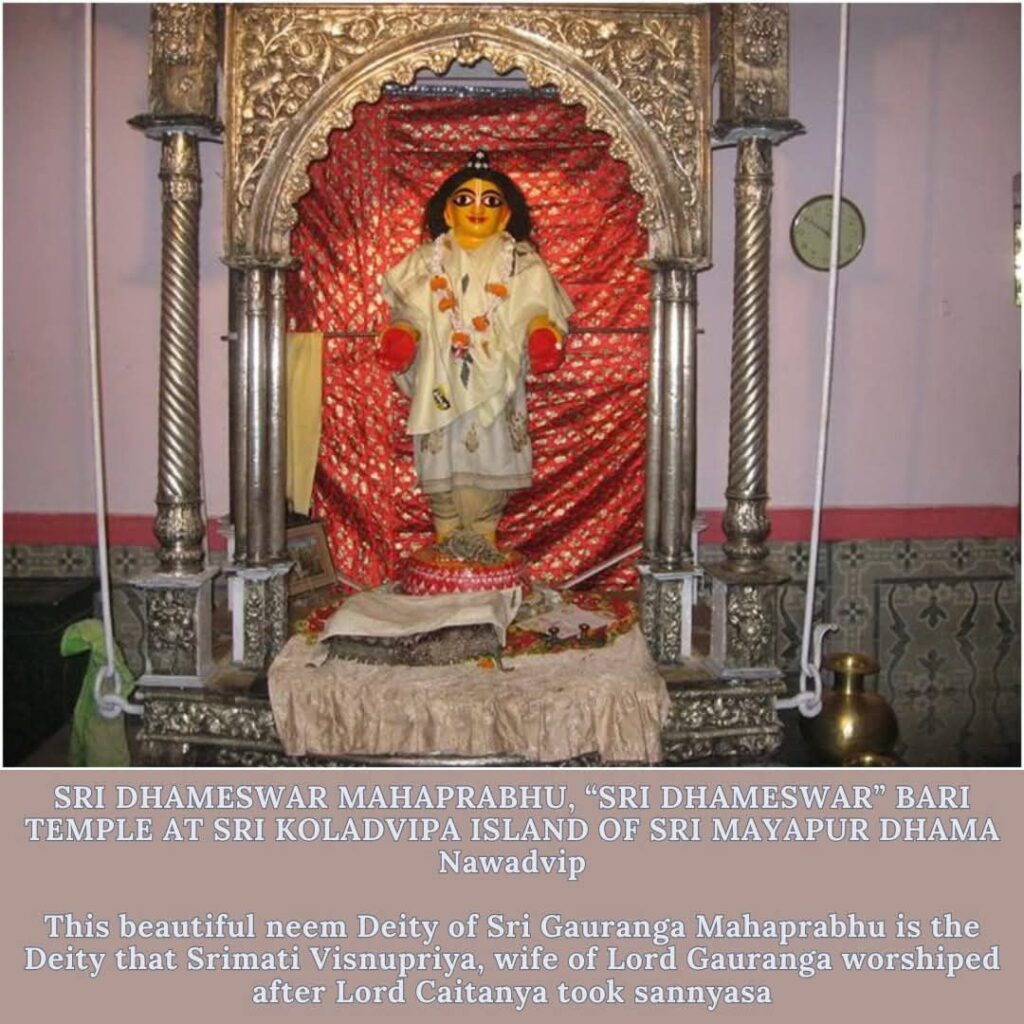
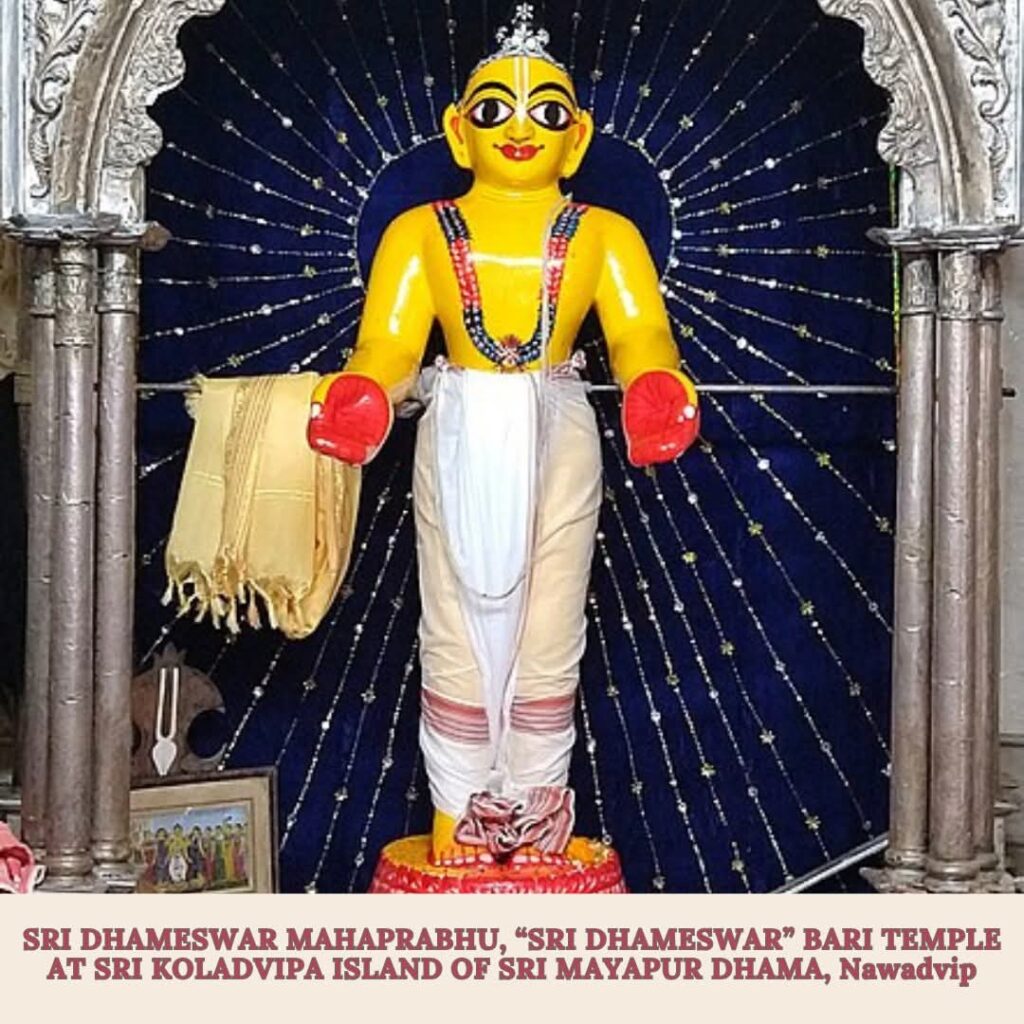
- Appearance Day of Srimati Viṣṇupriyā Devī
On all of Krishna’s visits to the material world, He is accompanied by His internal pleasure potency, personified as Lakshmidevi or Srimati Radharani. As Krishna expands into innumerable avatars, Srimati Radharani also expands to accompany Him. Srimati Vishnupriya Devi is one such expansion and was the second wife of Chaitanya Mahaprabhu.
Srila Prabhupada writes in Teachings of Lord Chaitanya:
“During His residence in East Bengal, His wife Lakshmidevi left this world due to snakebite. Upon returning home, He consoled His mother, and at her request, He married Vishnupriya, the daughter of Raja Pandit Sanātana Miśra.”
And in the Introduction to Srimad-Bhagavatam:
“For His first twenty-four years, Mahaprabhu remained in Navadvipa as a student and householder. His first wife, Srimati Lakshmipriya, died early. At His mother’s request, He accepted a second wife, Srimati Vishnupriya Devi, who bore lifelong separation when Mahaprabhu took sannyasa at the age of twenty-four.”
- Vasanta Pancami
Vasanta Pancami occurs in January or February and marks the beginning of spring. Spring signifies renewal, joy, blossoming flowers, and flourishing trees. Lord Krishna says in Bhagavad-gita 10.35:
“Of seasons, I am flower-bearing spring.”
Śrīla Prabhupāda explains that spring is universally pleasing and filled with Kṛṣṇa’s pastimes, making it the most joyful season.
In Vrindavan, Vasanta Pancami is celebrated beautifully, with deities dressed in yellow and devotees wearing shades of yellow and green.
Vasanta is the most fortunate season because Sri Krishna Caitanya Mahaprabhu appeared during it:
“I offer my respectful obeisances unto the full-moon evening in the month of Phālguna, when Lord Śrī Caitanya Mahāprabhu advented Himself with the chanting of the holy name, Hare Kṛṣṇa.”
(Śrī Caitanya-caritāmṛta, Ādi-līlā 13.19)